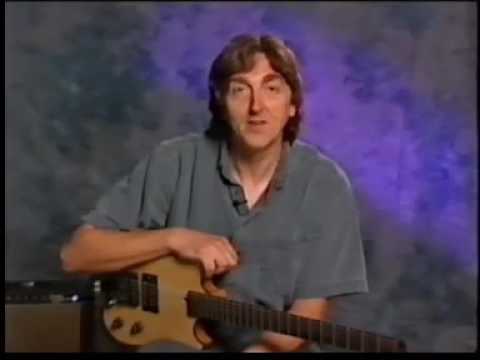
Allan Holdsworth - Guitar Lesson 01
YouTube Video · YouTube · 20 July 2026
Video transcriptauto-generated captions · EN · RU
Click a timecode to jump to that moment in the video
Heat. Heat.
Жара. Жара.
guitarists the world over have stood in awe of the unbelievable technique and musicality of Alan Holzsworth. Since his years with Soft Machine UK, Bill Bruofford and Tony Williams lifetime, Allan continues to be one of the true pioneers of modern electric guitar.
Гитаристы всего мира были в восторге от невероятной техники и Музыка Алана Хольцворта. С тех пор, как он работал в Soft Machine UK, Билл Бруоффорд и Тони Уильямс Аллан продолжает оставаться одним из истинных пионеров современной электрогитары.
REH is very proud to present Alan Holdsworth and his band in a live studio concert. We'll also hear from Allan as he talks about his personal approach to scales, improvising, and cordal playing. The booklet that accompanies this video contains transcriptions from the concert
REH с гордостью представляет Алана Холдсворта и его группу на концерте в живой студии. Мы также услышим от Аллана, когда он говорит о своем личном подходе к весу. Импровизация, и кордовая игра. Буклет, сопровождающий это видео, содержит транскрипции с концерта
along with the examples from the instructional segments. So, we hope you enjoy this rare opportunity to get to know a truly outstanding musician, Alan Holtzsworth.
вместе с примерами из учебных сегментов. Поэтому мы надеемся, что вам понравится эта редкая возможность познакомиться с действительно выдающейся Музыкант Алан Хольцсворт
Hello. I never really wanted to do a video because I wasn't sure that I could actually do anything that would be of interest to anybody in this kind of format because first of all I don't think of myself as any kind of a teacher.
Здравствуйте. Я никогда не хотел делать видео, потому что я не был уверен, что смогу на самом деле делать все, что было бы интересно любому в таком формате Потому что, во-первых, я не считаю себя учителем.
I don't want anything that's really in this or anything that I say to be misunderstood. So I don't want to say that what I do is correct or or anything. It's just so that you can have some kind of understanding of the way that I feel about music and my own music.
Я не хочу ничего, что на самом деле находится в этом или чем-то, что я говорю. Непонятый. Поэтому я не хочу говорить, что то, что я делаю, правильно или что-то еще. Просто чтобы ты могла понять, как я себя чувствую. О музыке и моей собственной музыке.
And um so a lot of this video is just going to be the the guys playing. And then also I'm going to um show what I consider to be like probably 10 of the most usable scales so that you can play over most anything.
И многие из этого видео будут просто парнями. Играть. А потом я покажу то, что считаю вероятным. 10 самых полезных весов, чтобы вы могли играть Больше всего на свете. Первая мелодия, которую мы будем играть, называется «Воронки».
Well, this first tune that we're going to play um is called Funnels, and I wrote it actually for a different group that we're going to be playing at the Queen Mary Jazz Festival a few years ago. And uh the Queen Mary has three funnels, and that's why I call the tune funnels,
и я написал его на самом деле для другой группы, которую мы собираемся играть в Queen Mary Jazz Festival несколько лет назад. У королевы Марии три воронки, И поэтому я называю воронками мелодии, Но мы никогда не играли его на этом концерте,
but we never we ended up not playing it at that gig, but I wrote the tune specifically for that because each one of the guys was supposed to um give a hand a tune in. And I wrote this tune with the same changes for the headers for the blowing so that
Но я написал песню специально для этого, потому что каждый из парней должен был чтобы послушать песню. И я написал эту мелодию с такими же изменениями для заголовков для дуновения так, что Это было бы легко для всех, кроме игры. Но всё так не закончилось.
it would be kind of easy for everybody but to play. But um it didn't end up that way. But we uh since then played it with my own band and uh well this is it.
Но с тех пор мы играли его со своей собственной группой, и это хорошо Это.
Heat.
Жара.
Heat. Heat.
Жара. Жара.
M This next tune was uh actually written by Alan Pasqua. And uh when I first met Alan, we used to play together in the Tony Williams Lifetime band. And this tune was always good fun to play cuz it was uh nice and easy to
Эта следующая мелодия была написана Аланом Паскуа. Когда я впервые познакомился с Аланом, мы играли вместе в «Тони Уильямс». группа. И эта мелодия всегда была весело играть, потому что это было э-э хорошо и легко
play over. So it was a good tune for us to open with sometimes cuz if everybody was so nervous, you know, if we were in a town where there were lots of musicians or something, then we'd all be trembling. So we'd start with that tune because we could more or less play it.
играть над. Так что это была хорошая мелодия для нас, чтобы открыть с иногда cuz если все были Если бы мы были в городе, где было много музыкантов или Что-то, тогда мы все будем дрожать. Мы начали с этой мелодии, потому что мы могли бы более или менее сыграть ее. Итак, вот оно.
So, uh, here it is.
Жара. Жара. Тепло вверх вверх Вот здесь.
Heat. Heat. Heat up here.
Жара.
Heat.
Следующая мелодия — это песня из альбома The Tavocron под названием Looking Glass. И это основано на аккордах, где интервалы довольно Широкий. Например, первые несколько аккордов играют на первых двух струнах и Только последние две строчки.
This next tune is um a tune from the album The Tavocron called Looking Glass. And it's based around chords where the the intervals are pretty wide. Like for example, the first few chords are played on the first two strings and the last two strings only.
Но мне нравится это делать, потому что тогда вы можете придать каждой мелодии цвет, а не цвет. просто играть тот же расположения аккордов для э-э, Знаешь, твой любимый расположения аккордов в каждой мелодии.
Um, but I like to do that because then you can give each tune a color rather than just playing the same voicings for uh, you know, your favorite voicings in every tune. I like to try and make each tune a little more specific than that so that they have
Мне нравится пытаться сделать каждую мелодию немного более конкретной, чем это, чтобы они имели конкретная вещь, которая происходит более или менее только в этой мелодии, и это Это не то, что постоянно встречается в других. Хотя очевидно, что это был мой состав,
a specific thing that happens more or less in that tune alone and it's not something that's found consistently in any of the other ones. Although obviously because it was my composition, I guess there's some thread of evidence of lunacy in there somewhere.
Думаю, там где-то есть какие-то доказательства безумия. Но в любом случае эта мелодия начинается с этих аккорды.
But um anyway, the the this tune starts with the these chords.
И вот оно. Жара.
And uh well, here it is. Heat.
Жара. Жара.
Heat. Heat.
О, да. тепло, Тепло.
Oh, heat, heat.
Давайте отдохнем от нашего концерта в студии и присоединимся к Аллану, когда он обсуждает импровизация вместе со своими 10 самыми полезными Весы. Ну, вначале я хотел научиться импровизировать. Я всегда был заинтересован в этом, и я знал, что если я хочу импровизировать
Let's take a break from our instudio concert and join Allan as he discusses improvising along with his 10 most useful scales. Well, I guess in the beginning I uh wanted to learn how to improvise. I was always interested in that and uh I knew that if I wanted to improvise over
изменения кода, я должен был выяснить, Знаешь, все весы, которые были со всеми этими аккордами. Потому что я была особенно упрямой и... Мой отец всегда был рядом, чтобы помочь мне. Но я не хотел спрашивать его, потому что хотел. Я сам разберусь. Да, конечно.
code changes, I'd have to um figure out, you know, all the scales that went with all those chords. So, um, because I was particularly stubborn and, uh, my dad was always around to help me, but I didn't like to ask him because I wanted to, uh, figure it out on my own. Yeah, sure.
Но, эм, так что я начал пытаться все выяснить, используя математика. Итак, я начал... использование фиксированного числа, такого как, скажем, номер один из-за транспонирующей природы струнные инструменты. вы можете ээ переложить очень легко, что вы не можете сделать на других
But, um, so I guess I started out trying to figure everything out by using math. So, I started out um, using a fixed number like say the number one because of the transposing nature of stringed instruments. you can uh transpose real easy which you something you can't do on other
инструменты. И я подумал, что если я начну с пяти нотных шкал, то смогу принять э-э просто перестановить их все как 1 через 5 затем 1 2 3 4 6 1 2 3 3 4 7 и т. Д. до 12, а затем я делаю то же самое с шестью нотами 7 Note 8 и 9 заметки, а потом я их каталогизировал и отослал.
instruments. So I figured if I just started out with say uh five note scales then I could take uh just permutate them all like 1 through five then 1 2 3 4 6 1 2 3 4 7 etc through to 12 and then I do the same with six notes 7 note 8 note and nine
все те, которые имели более четырех семмитонов подряд в прямой ряд и Я просто проанализировал их и посмотрел на них, пока не увидел в них аккорды. И потом я поняла, что то, как я думаю об аккордах, это просто части масштабы, которые играются одновременно.
notes and then I uh cataloged them and filed them away and uh threw away all the ones that had more than four semmitones in a row in a straight row and I just analyzed them and looked at them until I could see uh chords within them.
И по мере изменения кода я не так много думаю о статическом аккорде расположение аккорда Оставайтесь все меняться. Я вижу, как все заметки на шее меняются. И я думаю, для меня единственное, что отличает одну шкалу от другой, это Не начальная нота. Это разделение интервалов.
And then I realized that um the way I think about chords is they're just parts of the scale that are played simultaneously. And as the code changes go by, I don't so much think about a static chord voicing staying all changing.
Например, если это шкала D минор мажор 7, Имя, которое я даю шкале, это только имя. средства идентификации. Это не для какой-то другой цели. Когда я думаю об этом масштабе, Я не думаю, что это начинается с Д.
I just see like the whole of the notes on the neck change. And uh I guess for me the only thing that makes one scale different from another is not the starting note. It's um the separation of the intervals. For example, if it's a D minor major 7 scale,
Я думаю об этом, поскольку он начинается с самой низкой доступной ноты на моем инструменте. который был бы э-э, и самая высокая доступная нота, которая будет другой E, Э. Так вот как я отношусь к весам. То, что я сделал, это то, что я бы сказал, будет 10.
I the name which I give to a scale is only a name is only a means of identification. It's for no other purpose. So when I think of that scale, I don't think of it as starting on D. I think of it as it starts at the lowest available note on my instrument, which would be um an E,
Полезные весы, которые вы могли бы использовать для игры над большей частью чего-либо. И еще много, поверьте. Но эти, я думаю, самые полезные. То, что вы видите здесь, — это все заметки... Масштаб до мажор все сразу от одного конца гитары к другому. Вот как я вижу весы.
and the highest available note, which would be another E, the high E. So uh that's basically how I think of scales. Um, what I've done is I've figured out what I would say would be 10 really usable scales that you could use for playing over most most anything.
Я вижу их от самой низкой ноты до самой высокой. У меня нет другого названия для другой шкалы, которая начинается на любом из Эти заметки, которые есть. Можно назвать практически любую шкалу, придумайте другое название от любой заметки, с которой вы можете начать.
And there are plenty more, believe me. But, um, these, I think, are the most usable ones. What you see here is all the notes of um, a C major scale all at once from one end of the guitar to the other. And that's basically how I see scales.
Но для меня, как моя музыка, Это не очень помогло. Это было своего рода помехой на самом деле. Итак, я сократил его до этих символов. и это первое, что означает действительно как D минор с естественным шестью к Вот что это такое. И, как я уже сказал, когда вижу весы,
I see them from the lowest note to the highest note. Um, I don't have a different name for a different scale that starts on any one of these notes, which there is. You can practically name any scale, come up with a different name from any note that you can start on.
Я вижу их всю гитарную шею вот так. Так что мне решать эм, жонглировать заметками и Импровизируйте и делайте из них мелодии. Я думаю, что хороший способ начать практиковать весы в основном состоит в том, чтобы попытаться играть больше
But for me, for the way my music is, it didn't really help. It was kind of a hindrance really. So, I abbreviated it to these symbols. and this first one which is which means really like a D minor with a natural six to me. So that's what this is.
чем три ноты на струне, чтобы вы могли оторваться от игры в шаблоне как этот F мажор или похожий
And like I said, when I see scales, I see them the whole guitar neck like that. So it's just up to me to um to uh juggle the notes around and improvise and make melodies out of them. I think a good way to begin practicing scales basically is to try playing more
И просто начинай думать об этом больше так. Таким образом, вы окажетесь в разных частях гитары. Знаешь, ты можешь начать с низкой F и закончить на высокой A или что-то в этом роде. Думаю, единственное, что я могу сказать, чтобы помочь людям думать о том, как смотреть на
than three notes on a string just so you can break away from playing in a pattern like this F major or similar
весь гриф как один и и вид жонглировать его вокруг, чтобы если я играл что-то реально простое от простого масштаба до, может быть, вы Можно предположить, что она может пойти гораздо дальше, чем Вот это. Просто как пример жонглирования вещами вокруг.
and just start thinking of it more like that. That way you end up in different parts of the guitar. You know, you can start on the low F and end up on a high A or something. I guess the only thing I can say to help maybe people think about how to look at the
Это шкала D minor 7. Это мой символ для того, что, вероятно, совершенно бессмысленно для кого-либо. кроме меня, но это нормально. И то, что я собираюсь сделать позже на самом деле и в буклете, это показать вам
whole fingerboard as one and and and kind of juggle it around is to if I played something real simple from like a a just a C major scale just to maybe you could see that it could go an awful lot further than this. just as an example of um juggling things around.
как вы можете найти аккорды среди всего этого, потому что э-э, как я сказал, я вижу Всё сверху донизу. Так что я вижу эти формы аккордов там, вы знаете, как увеличенный аккорд и Младший майор 7. Но я думаю, мы рассмотрим это более подробно в буклете.
This is a D minor major 7 scale. Uh this is my symbol for that which is probably completely meaningless to anybody else but me, but that's okay. And uh what I'm going to do later actually and also in the booklet is to show you
Все эти шкалы, которые я дал здесь, не те же весы с Разные имена. Они на самом деле разные, основываясь на том факте, что у них разный интервал. Перестановки. Так что эта шкала эмм а минор мажор 7 и Плоская 6. Это мой символ для того, что, конечно же, совершенно бессмысленно.
how how you can find chords in amongst all this because uh like I said I see the whole thing from top to bottom. So I can see these chord shapes in there you know like an a augmented chord and of course the the minor major 7.
Кто угодно, кроме меня. Но вот этот масштаб. Эта шкала, эм, то, что я называю минор-мажор 7 с поднятым четвёртый. И мне очень нравится эта шкала. Некоторые люди называют его гармоническим масштабом. Как если бы я играл это в E,
Um but I guess we'll go into that in more detail in the booklet. All of these scales that I've given here are not the same scales with different names. They're actually different based on the fact that they have different interval permutations.
который я использовал в одной мелодии из прошлого альбома IOU. В мелодии под названием Letters of Mark была основана секция E-педалей. В этом масштабе действительно. И я слышала, что некоторые люди называют это шкала гармоническим мажором.
So this scale is um an A minor major 7 and a flat 6. Um this is my symbol for that which of course again is completely meaningless to anyone but me. But um this is that scale. Um this scale is um what I call a minor uh major 7 with a raised fourth.
Но для меня, как я уже сказал, я всегда отношусь к ближайшему несовершеннолетнему. Моя голова, если что-то есть в моей голове. Это сумасшедший символ, который я использую для этого. И аккорды, о которых я говорил, были только у тебя.
And um I like this scale a lot. Some people refer to it as a harmonic major scale. Like if I played this in E, which um I used in one tune from a while ago on the old IOU album. There was an E- pedal section in the in a tune called Letters of Mark was based kind
Все эти аккорды исходят только из этого Масштаб. Следующая шкала симметричная. Это то, что я называю двойным уменьшением масштаба. Я думаю, что большинство людей просто называют это уменьшенным масштабом. Так что это просто... эта.
of on this scale really. And uh I've heard some people call that scale a B harmonic major. But for me, like I said, I always relate them to the to the closest minor in in my head, if there is anything in my head. Um, this is the crazy symbol that I use for that.
Настоящее название обычно находится в полушаге. от имени, которое я использую, потому что я всегда думаю об этой шкале как о связанной с Аккорд altered dominant. Например, если бы я играл в этой шкале, которые, по сути, являются этими заметками,
And uh, the chords I was talking about were just u, all of those chords just come from that one scale.
Вообще-то это аккорд diminished. Но я думаю, что это больше похоже на... Знаешь, как плоский N-аккорд G7. Поэтому я и использую это имя. Опять же, как я уже сказал, название может быть немного запутанным. Но масштаб хороший. Это работает.
Uh this next scale is a symmetrical scale. It's just uh what I call a double diminish scale. I think uh most people just refer to it as a diminish scale. So it's just the um this one. Um, the actual name for it is usually a half step away
Как я уже говорил, вы можете найти все эти скрытые аккорды внутри этих весы, и я покажу вам, как найти, Позже и в буклете. Но, например, у него есть эти э-э Эта шкала очень полезная, потому что ее очень легко замаскировать.
from the name that I use because I always think of this scale as being related to an altered dominant chord. For example, if if um if I played this scale, which is essentially these notes,
Но в то же время, если вы играете его другими способами, Это слишком узнаваемо и звучит довольно хромо. Так что я всегда стараюсь, э-э, с этим конкретным масштабом я всегда жонглирую заметками вокруг очень много, так что это хм более трудно определить, но все же когда
um, it's actually a G sharp diminished chord. But I think of it more as being like a, you know, like a a G7 flat N chord. So, uh, that's why I use that name. Again, like I said, the name might be a little confusing, but the scale is good. It works.
Вы слушаете его, вы можете услышать какую-то логику там. Следующие три шкалы — это то, что я просто называю их в основном как джазовые гаммы. Я не часто пользуюсь этими тремя, Но я думаю, что это действительно хорошо знать их. Итак, вот они. Это как плоская шкала B.
Like, um, like I said before, you can find all these hidden chords within these scales, and which I'll kind of show you how to find, uh, later and in the booklet. But like this one for example, it's got these uh
Но там и пятое место. По сути, это то, что есть. Это э-э Вот эти заметки в этом. Я думаю, что это мой сумасшедший символ для этого и я Назовите его доминирующей семибалльной шкалой.
this scale is a a very usable scale because it it's very um easy to disguise. But at the same time, if you play it in certain other ways, it's too recognizable and sounds pretty lame. So I always try and uh with this particular scale I always juggle the notes around a
Просто это в основном просто как обычный масштаб C, но у него есть плоская 7 в нем тоже. Так что это просто...
lot so that it's um more difficult to identify but yet when you're listening to it you can hear some kind of logic in there. These next three scales are what I just refer to them as basically kind of like jazz scales. I don't use these particular three a lot,
и т.д. Если говорить об этом, Я бы назвал это джазовым минором. В этом конкретном ключе, это в B минор, и он имеет естественную семерку и поднятую семь в Это. Это вторая из минорных джазовых гамм. А эта в «А».
but I think it's really good to know them. So, here they are. This is just like a a B flat major scale. Um, but it has the raised fifth in it as well. So, essentially that's what that is. It's uh
И единственное различие между этим и другим заключается в том, что они оба джазовые минорные весы имеют подъем 7, Но предыдущая в ней была естественная семёрка. А эта — нет. У него только рост 7, шестой, Квартира 6 или пятая, как вы хотите посмотреть на нее.
those are those are the notes in that. Um this scale I guess um again this is my crazy symbol for it and I just call it a C dominant seven scale. It just it's basically just like a regular C major scale but it has a flat 7 in it as well. So it's just like um
Ну, прежде чем я расскажу вам об этой последней шкале, Очевидно, что там много весов и дело в том, что что многие из них, с которыми я экспериментировал, не завершают себя в одном Они принимают две октавы, а иногда и три.
etc. In terms of trying to communicate it, I think I'd call it um a jazz minor scale. It's just uh in this in this particular key, it's it's in B minor and it has the natural seven and the raised seven in it. This is the second of the minor jazz scales. And the this one's in A.
Но вместо того, чтобы пытаться разобраться в них прямо сейчас, это... конкретный масштаб я использовал довольно много в качестве шкалы для модуляции от одного аккорда к другой, или вы знаете, или потому что он имеет симметричную шкалу, поэтому у него есть звук
And it's the only difference between this one and the other one is they both of the jazz minor scales have the raise 7, but the previous one had the natural seven in it. And uh this one doesn't. It just has the raise 7, the sixth,
что вы можете узнать, когда вы слышите это, и я не уверен, как Назовите, к какому ключу принадлежит. Но для меня я думаю об этом в основном С минор, потому что с минор, E минор или A flat minor, потому что здесь у вас есть как A плоский минор и A flat Major triad,
the flat 6, or the raise fifth, however you want to look at it. Well, before I tell you about this last scale, um there's obviously an a lot of scales and the thing is that a lot of them that I've experimented with don't complete themselves in one
A Flat, G minor и G major triad одновременно Но, как видите, это идеально симметричная шкала. Так что ты можешь повеселиться с этим.
octave. They take two octaves and sometimes three. But um rather than try and get into those right now is um this particular scale I've used quite a lot as a scale to modulate from one chord to another or you know or because it has a it's a symmetrical scale so it has a sound
Я стараюсь не практиковать что-либо, в чем я собираюсь играть так же, как и я не узнать какой-либо конкретный фразы или что-то, что я могу Просто играй. Итак, я соединил кучу фразы вместе, потому что это не то, о чем я думаю. Импровизирую. Я просто снова думаю обо всех заметках,
that you can recognize when you when you kind of hear it and u I'm not sure how you go about naming what key it belongs to. Um, but for me I uh think of this one as basically like a C minor because a C minor, an E minor or an A flat minor because here you've got like the A
Вы знаете, это доступно, и вы просто пытаетесь сделать мелодии из них и Не позволяйте вашим рукам диктовать, что вы можете сделать. Взгляните на эти чарты гриф и представьте, что ваши глаза похожи на танцы.
flat minor and an A flat major triad, an A flat, a G minor and a G major triad at the same time. But as you can see, it's a perfectly symmetrical scale. So you can have some fun with that one.
заметки, которые вы хотите играть, а затем забыть о том, могут ли ваши руки сделать это или Просто попробуй. Как я уже сказал, имя состоит только в том, чтобы передать информацию или передать ее. кто-то другой. И действительно, то общение, о котором мы говорим, на самом деле.
I try not to practice anything that I'm going to play in as much as like I don't learn any particular licks or something that I can just play. So, I'm stringing a bunch of licks together because that's not the way I think about
это музыка, которую вы не кричите об изменениях людям, которых они только слышат Музыка и это единственное, что Вопросы. Думаю, я начал с legato случайно, потому что... Я знаю, что происходит, и я всегда хотел играть в рога.
improvising. I just think again about all of the notes, you know, that are available and you just try and make melodies out of them and don't let your hands dictate what you think you can do. Take a look at those fingerboard charts and imagine your eyes like dancing on the
Так что, я подсознательно пытался сделать гитару более похожей на Больше похоже на рог. Я никогда не хотел играть на гитаре. Мне не очень нравится гитара. Я люблю слушать, как другие играют на гитаре. Конечно, но это был не инструмент. что я бы выбрала.
notes that you want to play and then forget about whether your hands can do it or not. Just try it. Like I said, a name is only to transmit the information or to communicate it to someone else. And and really the communication that we're doing that we're speaking about really
Если бы мне дали саксофон раньше, Например, я бы предпочел это. Но вместо этого папа купил мне гитару. Так что саксофоны тогда были довольно дорогими. В итоге я начал лапать на гитаре. Я начал буквально лапать, потому что у меня не было интереса к инструменту.
is music which you don't shout the changes to the people you they only hear the the music and uh that's the only thing that matters. Well, I guess I started with the legato thing by accident because um I didn't really
Он только что развивался в течение определенного периода времени. И тогда я начал думать: Знаешь, инструмент по своей природе просто означает, что это инструмент, как спаннер. или гаечный ключ или отвертка. Это то, что вы можете использовать для выполнения работы.
know what what was happening and u I always wanted to play a horn. So, I guess subconsciously I was trying to make the guitar sound more like a more like a horn. I never really wanted to play the guitar. I don't really like the guitar for me.
Так как я люблю музыку, я в конечном итоге пытался сделать это с этим. Так что, полагаю, я провел остаток своей жизни или собираюсь попытаться провести остаток своей жизни. Жизнь пытается заставить гитару звучать так, будто это не гитара.
Um I love to hear other people play the guitar, of course, but um it's just that it wasn't the instrument that I think I would have chosen. If I'd have been given a saxophone earlier, for example, I would have much preferred that. But my dad bought me a guitar instead.
И вот тут появился legato, потому что я просто хотел, чтобы это было много. больше жидкости, чем было естественно для этого конкретного ударного инструмента быть. Название этой мелодии пришло от меня, как будто однажды ночью выпал из паба.
So, um, and saxophones were pretty expensive at the time. So, I ended up noodling on the guitar. I started out literally just noodling because I had no interest in the instrument and it just developed over a period of time. So, then I started to think, well,
в Англии, и там был один старый парень, идущий по улице, и я Наверное, он видел всех нас, хулиганов, выходивших из паба, и он просто посмотрел Он сказал: «Мальчик, то, что ты видишь, когда у тебя нет пистолета». Итак, вот оно.
you know, an instrument by nature of its name just means it's a tool like a spanner or a wrench or a screwdriver. It's something that you can use to get a job done. So because I love music, I ended up trying to do it with this.
Жара.
So I suppose I spent the rest of my life or going to try to spend the rest of my life trying to make the guitar sound like it's not a guitar. And uh that's where the legato thing came in because I just wanted it to be a lot
Жара. Жара. Нагреться Вот здесь.
more fluid than was natural for this particular percussive instrument to be. The title for this tune came from me kind of falling out of the pub one night. uh back in England and uh there was this uh old guy walking down the street and I
Нагреться Вот здесь.
guess he must have seen all of us hooligans coming out of the pub and he just looked at us and he said, "Boy, the things you see when you haven't got your gun." So, so here it is.
Жара. Жара.
Heat.
Жара. Жара.
Heat. Heat. Heat up here.
Кодовая последовательность для этого очень проста, и мы играем над изменения, как я уже сказал, прежде чем они действительно происходят в голове в конце или когда мы Вернитесь к вещи. Ну, вообще-то это всего лишь пятёрка. квартира к D плоский минор к плоской
Heat up here.
minor to like a minor major 7 to an F Острый, а затем типа Си минор над Вернемся в квартиру.
Heat. Heat.
Это были первые аккорды. Но сольная часть этой мелодии, Мы на самом деле играем над последовательностью до того, как произойдет последовательность. в голове. Итак, мы соло над изменениями, которые еще не были услышаны, пока вы не доберетесь до конца Tune.
Heat. Heat.
Chad Wackerman недавно выпустил сольный альбом под названием 40 Reasons. и мы играли мелодию из его альбома, а этот называется Tell Meme it
The code sequence for this is it's pretty it's really simple and um we play over the changes like I said before they actually occur in the the head at the end or when we return to the to the thing. So, um, well, basically it's just a an A flat to D flat to D flat minor to a flat
Жара.
minor to like a A minor major 7 to an F sharp and then a kind of like a C minor over over E back to A flat.
Жара. Жара. Тепло Вот здесь.
Um, that was basically the first few chords, but the solo section of this tune, we actually play over the sequence before the sequence occurs. in the head. So, we solo over changes that haven't yet been heard until you get to the end of the tune.
Нагреться Жара.
Chad Wackerman just did a solo album recently and the album's called 40 Reasons. and uh we've been playing a tune from his album and this one's called Tell Me
Жара. Жара.
Heat.
Мы спросили Аллана, было ли ему легче или труднее импровизировать над собой. Композиции. Довольно часто самое смешное, что люди скажут: "О, ну ты пишешь свою мелодию, Так что легко играть на собственных мелодиях». Но мне нелегко играть на собственных мелодиях.
Heat. Heat. Heat up here.
Иногда я напишу мелодию, а потом мне тяжело с ней. Просто когда я пишу мелодию, Я не думаю, как сложно будет закончить одиночеством. Я не думаю об этом, пока это не закончится. Потом, когда это будет сделано, я спрашиваю: "Как мне это сделать?
Heat up Heat.
Жара. Жара. Жара.
Heat. Heat.
Жара. Жара. N.
We asked Allan if it was easier or more difficult for him to improvise over his own compositions. Quite often the funniest thing is people will say, "Oh, well, you write your own tune, so it's easy to play on your own tunes." But it's not for me easy to play on my own tunes.
Нагреться Вот здесь.
Sometimes I'll write a tune and then I have a terrible hard time with it. It's just that when I'm writing the tune, I'm not considering how difficult it's going to end up being to solo over. I don't think about that till it's done.
Жара. Жара.
Then when it's done, I go, "How am I going to do that?
Жара.
Heat. Heat. Heat.
Алан Холдзворт уже давно известен своей невероятной импровизацией одиночной ноты. Но Аллан также мастер красивой и необычной кордальной игры. Следом за своей домашней студией, Аллан показывает нам, как он придумал свое уникальное ядро голоса.
Heat. Heat. N.
Люди часто спрашивают меня об аккордах и о том, как я думаю об аккорде и как я это делаю. думать об аккордах, что я просто думаю о них как о членах семьи и я Подумайте о четырех нотном аккорде, например, который большинство гитарных аккордов просто Четыре члена одной семьи.
Heat up here.
Предположим, у вас есть место с восемью членами семьи на нем и просто скажем четыре. встаньте Стивен Джордж Сара Уинстон или что-то еще, а затем вы принимаете Фотография тех, и это тот конкретный аккорд, но они все члены этого
Heat. Heat.
Когда я слышу, как аккорды переходят от одного аккорда к другому, Я не просто слышу статический расположение аккорда этого конкретного аккорда, Хотя это может быть важно в голове, Скажем, например.
Heat.
Я вижу это скорее как семьи, которые меняются при переходе от одного аккорда к другому. следующий. Поэтому я думаю, что аккорды основаны на весах. Я слышу, как шевелятся формы весов. Знаешь, из одной семьи в другую по мере аккордов.
Alan Holdzsworth has long been known for his incredible single note improvising, but Allan is also a master of beautiful and unusual cordal playing. Coming up next from his home studio, Allan shows us how he comes up with his unique core voices.
Что ж, одна из вещей, которая может случиться с тобой, это если кто-то скажет: «Ладно, сыграй мне аккорд Е мажор 7», который довольно примитивный аккорд. И ты бы сказал, если бы ты не играл очень долго, Ты можешь просто играть, но это очень уродливо.
People ask me a lot about chords and the way I think about chords and the way I do think about chords is I just think of them as being say members of a family and I think of a four note chord for example which most guitar chords are as just being four members of a family.
отвратительный, диссонирующий аккорд для меня. Так что вы могли бы сыграть еще одну инверсию этого, Скажем, что звучит намного приятнее. Или вместо того, чтобы играть только инверсию этих нот, Вы можете играть группы нот из этой семьи.
Say you have a imagine a seat with eight family members on it and just say four stand up Steven George Sarah Winston or whatever stand up and then you take a picture of those and that's that particular chord but they're all members of that
Под семьей я имею в виду масштаб, в котором этот аккорд является частью. Например, вы можете играть у некоторых из этих аккордов, которые все основаны на E. крупных масштабов.
one family. So when I hear chords moving from one chord to another, I don't just hear the static voicing of that one particular chord, although that may be important in a head, say for example. Um, I see it more as being the families that change as you change from one chord to
Так что, если кто-то скажет тебе: Теперь мы сыграем аккорд Д минор, a D минор 7, D минор 11 аккорд. Во что бы ты играл? Опять же, вместо того, чтобы просто играть инверсию аккорда, Что вы могли бы сделать, хорошая инверсия,
the next. So I just think of chords as being based on scales. So I hear I try to hear the scale shapes move, you know, from one family to the next as the chords go by. Well, one of the things that might happen to you is if somebody says,
Скажем, есть много других вещей, которые вы могли бы сделать также, основываясь только на Заметки в масштабе. Поэтому я просто приведу вам несколько примеров из них.
"Okay, play me an E major 7 chord," which is a pretty primitive chord. And you'd say, if you haven't been playing very long, you might just play um but that's a really ugly, disgusting, dissonant sounding chord to me. So, you could play another inversion of that,
Это довольно простые аккорды. Итак, как вы можете видеть, как майор, Ди минор, аккорд G7, любая из этих нот по шкале будет работать. Итак, теперь я просто собираюсь сыграть еще несколько примеров э-э, используя те же э-заметки из
say, which sounds a whole lot nicer. Or instead of playing just an inversion of those notes, you could play groups of notes from that family. By family, I mean the scale in which that chord is part of.
одна и та же семья, но теперь они будут как-то связаны с до мажором как В отличие от Д минор.
For instance, you could play u some of these chords which are all based on the E major scale.
Итак, теперь я приведу вам несколько примеров аккордов, построенных по масштабу. Малый майор 7 с плоской 5 или поднятием 4, но вы хотите посмотреть на это. И вот оно. Вот здесь.
So if somebody said to you, well, okay, we're going to play a D minor chord now, a D minor 7, D minor 11 chord. Um, what what would you play? You know, so again, instead of just playing an inversion of a chord, which you could do, a nice inversion,
Еще несколько примеров. В том же масштабе, что и эта в F minor 7 с a Выросли четыре.
say, um, there are lots of other things that you could do as well based on just the notes in the scale. So I'm just going to give you a few examples of those.
Это было бы хорошее время, чтобы проверить графики, потому что э-э, так вы можете взять аккорд или мм расположение аккорда, который вам действительно нравится и посмотреть, можете ли вы Подойдите или найдите его где-нибудь в масштабе.
These are pretty basic chords. So, as you can see, like a C major, D minor, G7 chord, any one of these notes from the scale will work. So, now I'm just going to play some more examples of uh using the same uh notes from
масштабировать, а затем взять каждую из этих нот и переместить его к следующему шагу в Этот конкретный масштаб. Вот и всё. Это всего лишь весы аккордов. Итак, вот еще один пример.
the same family, but now they're going to be um kind of related to C major as opposed to D minor.
Я хотел бы привести еще один пример. Это как, скажем, плоский аккорд D 7. И я просто собираюсь основать все эти другие аккорды, которые вы услышите вокруг И они не отличаются от inversions этого аккорда. Они снова основаны на весах.
Okay. So now I'm going to give you a few examples of chords built on the scale this the minor major 7 with a flat 5 or raise four, however you want to look at that. And uh here it is. Here's
Эти 10 диаграмм, которые я составил, я думаю, что для меня они самые полезные и практические весы, потому что они позволяют вам ум импровизировать, используя эти Он охватывает большинство или большинство аккордов, с которыми вы столкнетесь.
some uh more examples. Uh same scale the like this one's in F an F minor major 7 with a raised four.
Я имею в виду, что есть более очевидно и сотни тысяч различных Весы и ты сходишь с ума, пытаясь понять все это, Но я думаю, что они в очень полезных масштабах, Особенно первые пять, потому что они более гармонично определены, чем последние.
This would be a good time to check out the charts because uh that way you can take a chord or um a voicing that you really like and see if you can fit it or find it somewhere in the scale. scale and then take each one of those notes and move it up to the next step in in
5, которые я группирую как джазовые весы. Джазовые весы имеют дополнительные ноты в одной дополнительной ноте, как правило, в каждой. что делает их в некотором смысле более двусмысленными, но тем не менее я думаю
that particular scale. That's all these are. They're just chord scales. So, um here's another example.
они действительно полезны, и я думаю, что это хорошо знать их, и как я сказал, когда вы Посмотрите на эти диаграммы, попробуйте увидеть всю шею, как если бы все они были освещены. вы знаете, что все эти точки освещены на шее и попробуйте запомнить их, чтобы когда
Um, I'd like to give you another example. This one's just like say um a D flat 7 augmented chord. And I just going to base all of these other chords that you'll hear around the scale. And they're not different inversions of that chord. They're just based on the scales again.
вы видите аккорды, проходящие мимо, вы видите все эти ноты меняются под вашей рукой, так что вы Можно делать из них мелодии. Идея в том, чтобы создавать музыку, потому что на самом деле имена, Как я уже говорил, они не важны.
These 10 charts that I drew up, I think for me they're the most usable and practical scales because they allow you to um improvise using these scales over most all or most of the chords that you would come across.
Просто язык, на котором мы пытаемся говорить, это музыка. Вот в чем суть. Если ты сделаешь из этого мелодию и сочинишь музыку, Тогда всё в порядке. Эта мелодия называется House of Mirrors, потому что она напоминает мне о том, как быть
I mean, there are more obviously and there's hundreds of thousands of different scales and you go crazy trying to figure it all out, but I think these are in very useful scales, particularly the first five because they're more harmonically defined than the last
В Зеркальном Доме, потому что он много модулирует. И мне это нравится, знаешь, я всегда именно поэтому система нумерации аккордов. Например, 251 или что-то еще не очень хорошо работает для меня
five, which I group as the jazz scales. The jazz scales have extra notes in one extra note usually in each one. um which makes them in some ways a little more ambiguous but nevertheless I think they're really useful and I think it's good to know them and like I said when you
с моей музыкой, потому что они передвигаются слишком много, чтобы когда-либо иметь одну, которая остается одной. Но я думаю, потому что эта мелодия очень модулирует, Вот где я придумал название «Дом зеркал».
look at these charts try and see the whole neck as if they were all lit up you know all those dots are lit up on the neck and try and memorize those so when you see chords go by you see all of these notes changing under your hand so you can um make melodies from them.
О, да. Эй, эй.
The idea is really to make music because really names, like I said before, they're not important. It's just the language that we're trying to speak is music. So that's the bottom line. If you can make melody from the thing and make some music out of it, then then it's okay.
Жара. Жара.
This tune is called House of Mirrors because it kind of reminds me of like being in a House of Mirrors because it modulates a lot. And I like that, you know, I've always that's why that system of numbering chords
Я хочу поблагодарить всех парней. Знаешь, школьный Mirror на басу, Клавиатуры Стива Ханта и Чада Вакермана для э-э Я действительно помогаю в этом. Они проделали отличную работу и спасибо, ребята. Ну, я надеюсь, это был не слишком несчастный опыт и э-э...
like for example 251 or whatever doesn't really work too well for me with my music because they move around too much to ever have one that stays a one. But um I guess because this tune does modulate a lot, that's where I came up with the title House of Mirrors.
Мне очень нравится думать, что вы можете получить что-то от этого. И то, что я действительно хотел пережить, это то, что на самом деле я большой. Вера в попытках найти способы сделать что-то самостоятельно, потому что тогда они Становитесь более значимыми для вас.
Oh, hey.
Вы понимаете их на гораздо более глубоком уровне, чем если бы вы просто повторяли. Что-то попугайное или что-то, что кто-то другой показал вам. Потому что иногда, даже если ты знаешь или поймешь, в конце концов, что ты будешь знать.
Heat. Heat.
По какой-то причине мне кажется, что в этом чего-то не хватает. Так что я действительно люблю поощрять всех, чтобы они старались и работали по-настоящему усердно. для э-э, чтобы развить себя. Так что удачи, тепло. Жара.
Well, I'd like to thank all the chaps, you know, uh, schoolish Mirror on bass, Steve Hunt keyboards, and Chad Wackerman drums for uh really helping me out on this. Um they did a great job and thank you chaps. Well, I hope it wasn't too much of a miserable experience and uh I'd
Жара.
really like to think that you can get something from this. And the the thing that I really wanted to get over is that I really am a big believer in trying to figure out ways to do things on your own because then they become more meaningful to you.
—
You understand them on a much deeper level than you would if you were just repeating something parrot fashion or something that someone else showed you. Because sometimes even though you would know or understand eventually what you'd
—
been shown, for some reason there seems to be something missing in that for me. So I really like to encourage everybody to to try and work really hard on their own to uh develop themselves. So um good luck Heat. Heat.
—
Heat.
—


