How to Build a Melody from a Lead Sheet
YouTube Video · Walk That Bass · 20 July 2026
Walk That Bass (GB) · educator
Pure music theory animations breaking down rootless jazz voicings, altered scales, tritone substitutions
Video transcriptauto-generated captions · EN · RU
Click a timecode to jump to that moment in the video
hi guys so someone recently asked me the question how do i play and fill out a melody from a lead sheet so that it doesn't sound boring so i will attempt to answer that question in this video now those of you coming from a
привет ребята, поэтому кто-то недавно задал мне вопрос как я играю и заполните мелодию из ведущего листа, чтобы она не звучала скучно, так что я попытаются ответить на этот вопрос в этом видео теперь те из вас, кто идет от
classical background are used to playing a song exactly as written on the sheet music but in jazz we have the exact opposite situation where you never want to play a song exactly as written now this is often a bit of a paradigm
классический фон используется для воспроизведения песни точно так же, как написано на ноты, но в джазе у нас есть совершенно противоположная ситуация, когда вы никогда не хотите играть песню точно так, как написано сейчас это часто немного парадигмы
shift for classical musicians most of the time when we're playing jazz we're using lead sheets now these are designed to give you just the skeleton of the song just the basic chords and a simplified melody for this reason if you
смена для классических музыкантов большую часть времени, когда мы играем джаз, мы используем свинцовые листы теперь они предназначены, чтобы дать вам только скелет песня только основные аккорды и упрощенная мелодия по этой причине, если вы
play a lead sheet exactly as written it's going to sound incredibly boring instead you're supposed to take that skeleton of a song and add on jazz piano techniques like a walking bass line and interpret or jazz up the melody
играть лид-лист точно так, как написано это будет звучать невероятно скучно вместо этого вы должны взять этот скелет песни и добавить джазовое пианино. техник, как ходячая басовая линия и интерпретировать или джаз вверх мелодии
so that overall your performance the thing you actually play sounds quite interesting and in terms of the melody there's really just a few things you need to do to turn the melody from a really boring simplified version to an
так что в целом ваша производительность то, что вы на самом деле играете звучит довольно интересно, и с точки зрения мелодии есть только несколько вещей, которые вам нужно сделать, чтобы превратить мелодию из действительно скучной упрощенной версии в
interesting and jazzy version which i'll demonstrate in a moment but first let's take section a of all the things you are and play it with a walking bass line in the left hand while the right hand plays the melody exactly as it's written in the lead sheet
интересная и джазовая версия, которую я продемонстрирую через мгновение, но сначала давайте возьмите раздел a из всех вещей, которые вы есть и играйте его с ходячей басовой линией в левая рука, в то время как правая рука играет мелодию именно так, как она написана. Ведущий лист
right so that was incredibly boring and the main reason for this is that on the lead sheet the notes are all written out to be played on the beat so we don't get any sense of swing or syncopation that is integral to jazz so the
так что это было невероятно скучно, и главная причина этого в том, что на передовой лист ноты все выписаны, чтобы играть на ритме так что мы не получаем любое чувство свинга или синкопации, которое является неотъемлемой частью джаза.
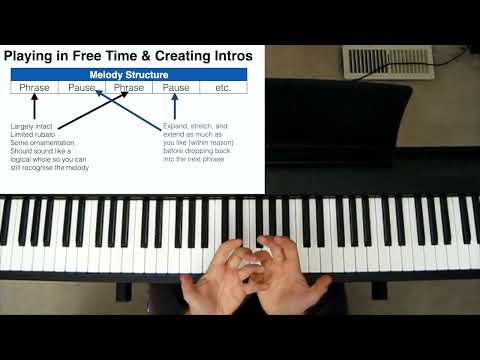
first thing that you need to do is to change the rhythm of the melody so that we are occasionally playing melody notes on offbeats so this essentially means that we change the duration of the notes and where the notes land in the bar and often
Первое, что вам нужно сделать, это изменить ритм мелодии так, чтобы мы были время от времени играя мелодичные заметки на оффбитах, так что это по существу означает, что мы изменить длительность нот и где банкноты приземляются в баре и часто
bringing a melody note half a beat earlier or pushing it half a beat later so using anticipation or delay is particularly effective so for example i could play this
приносить мелодию ноты на полбита раньше или толкать ее наполовину бита позже, так что используя Ожидание или задержка особенно эффективны, так что, например, я мог бы играть в эту игру
right so already that melody sounds a lot more interesting i'm not just playing notes on the beast sometimes i'm delaying the melody notes by half a beat or one beat or one and a half beats sometimes i'm bringing the melody note
так уже, что мелодия звучит намного интереснее я не просто играю заметки на зверя иногда я откладываю мелодичные ноты на половину бить или один удар или полтора удара иногда я приношу мелодичную ноту вперед на половину удара и такого рода толчок и тянуть в сроки и факт
forward by half a beat and that kind of push and pull in the timing and the fact that we're now using offbeats which in a swing rhythm creates a lot more interest and adds that sense of swing and syncopation now the next thing you can do
что мы теперь используем offbeats, которые в ритме свинга создает гораздо больше интерес и добавляет это чувство качания и синкопации теперь следующее, что вы можете сделать чтобы придать мелодии еще больше волнения и движения, это приукрасить мелодию
to give the melody even more excitement and movement is to embellish the melody by adding extra notes especially repeating melody notes over and over and using chromatic passing notes where if your melody moves down by a whole step
Добавляя дополнительные ноты, особенно повторяя мелодичные заметки снова и снова и использование хроматических проходных заметок, где если ваша мелодия движется вниз на целый шаг вы получаете туда, двигаясь вниз хроматично через хроматическую проходную ноту, которая
you get there by moving down chromatically through a chromatic passing note which is one of the things i'm going to do in all the things you are you can also add fills in between the melody notes so if you have a long note where nothing happens or a
одна из вещей, которые я собираюсь сделать во всем, что вы есть, вы также можете добавить наполнители между мелодичными нотами, так что если у вас есть длинная записка, где ничего не происходит или
rest you can put in a little bit of improvisation essentially but a really short improvisation before getting back to the melody and you do this by adding in arpeggios of the chord that you're on and by doing little scale runs either
отдых вы можете положить в немного импровизации по существу, но действительно короткий импровизация перед возвращением к мелодии, и вы делаете это, добавляя в арпеджио аккорда, на котором вы находитесь, и делая небольшие масштабные забеги либо
the diatonic scale run so for example we start in a flat major in all the things you are so i could do a little a flat major scale run or chromatic scales always sound good in almost all contexts and finally adding ornamentals so adding
диатоническая шкала работает так, например, мы начинаем с плоской мажор во всех вещах вы так что я мог бы сделать немного плоский большой масштаб бег или хроматические весы всегда звук хорошо почти во всех контекстах и, наконец, добавление декоративных так что добавление
occasional grace notes or trills or little embellishments little ornamentals to just jews up your melody a tiny bit so again for example i could do this
случайные грациозные ноты или триллы или небольшие украшения маленькие декоративные jews up your melody a little bit so again for example I could do вот это
so again that sounds even more interesting exciting and jazzy so i added a little run down the a flat major scale down to the melody note g i added little grace notes when i was repeating notes i added a chromatic passing note to connect the g down to
так снова, что звучит еще интереснее захватывающе и джаз, поэтому я добавил немного бежать вниз по плоской основной шкале до мелодии ноты g я добавил маленькие Grace Notes когда я повторял заметки, я добавил хроматическую проходную записку, чтобы соединить g вниз к
the f and at the end when the melody just sits on the e i put in a little you know chromatic-ish fill to fill out the empty space so there's a lot more movement there's a lot more stuff happening and again we still have that sense of
f и в конце, когда мелодия просто сидит на е я положил немного вы знаете chromatic-ish заполнить пустое пространство, так что есть гораздо больше движение происходит гораздо больше вещей, и снова мы все еще чувствуем это чувство
syncopation because there are lots of notes that are being played on an off beat but it still sounds a little bit hollow because we are playing a single line in our left hand with the walking bass line and we're still only playing a single line so one
синкопация, потому что есть много нот, которые играются на off-бите, но Это все еще звучит немного пусто, потому что мы играем одну линию слева. рука с ходячей басовой линией, и мы все еще играем только одну линию, так что один
note at a time in our right hand so it sounds a little bit polyphonic so to really make this melody interesting and to fatten it up a bit and liven it up a bit we want to add some harmony in this we want to harmonize our melody or essentially
заметьте в момент в нашей правой руке, так что это звучит немного полифонично, чтобы действительно сделать эту мелодию интересной и немного откормить ее и оживить ее немного мы хотим добавить некоторую гармонию в этом, мы хотим гармонизировать нашу мелодию или по существу
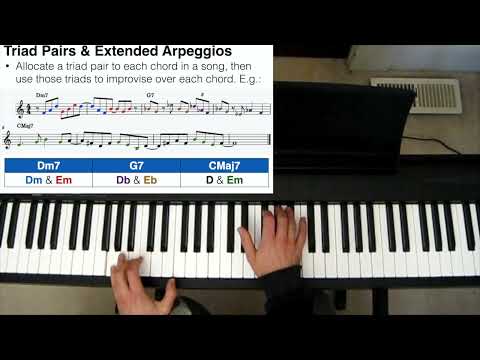
add the chords in occasionally into our melody so this can be done by playing the chords in between the melody so if you again if you've got a long melody note or a rest you could use that gap in the melody the break to play a chord for
Добавьте аккорды иногда в нашу мелодию, чтобы это можно было сделать, играя аккорды между мелодией, так что если вы снова, если у вас есть длинная мелодическая нота или a rest you could use that gap in melody the break to play a chord for
example you could play the relevant chord with the melody note on top so you're essentially harmonizing the melody note with the full chord you could play little passing chords and chromatic approach chords work particularly well so for example
пример вы можете играть соответствующий аккорд с мелодичной нотой сверху, так что вы по существу гармонизируя мелодичную ноту с полным аккордом, который вы могли бы играть немного аккорды и хроматический подход работают особенно хорошо, например
i'm going to play the e flat seven chords in all the things you are and i'm going to use a chromatic approach chord so a chord a semitone higher an e7 chord to lead into that e flat seven chord and you can also
Я собираюсь играть семь аккордов на всех вещах, которые вы есть, и я собираюсь использовать хроматический подход аккорд так аккорд полутон выше e7 аккорд, чтобы привести в этот плоский 7 аккорд и вы также можете
harmonize the melody with a particular interval usually thirds and sixths work particularly well so again doing this you could create something as follows
гармонизировать мелодию с определенным интервалом, обычно третей и шестых работы особенно, чтобы снова сделать это вы могли создать что-то как следующим образом:
now this is a really great sounding and jazzy sounding melody that is infinitely more interesting than our first example where we were just playing on the beat now obviously it takes time and practice to be able to fill out a melody like
теперь это действительно отличная звучащая и джазовая мелодия, которая бесконечно интереснее, чем наш первый пример, когда мы просто играли на бить сейчас, очевидно, требуется время и практика, чтобы быть в состоянии заполнить мелодию как
this and to take a really boring simplified melody from a lead sheet and build it out into something a little bit more listenable like this but to get there all you need to do is practice adding one element at a time to take the melody and
это и взять действительно скучную упрощенную мелодию из свинцового листа и построить это во что-то более слушаемое, как это, но чтобы получить там все вам нужно сделать практику добавления одного элемента за раз, чтобы взять мелодию и
change the rhythm then take the melody and maybe add some grace notes and take the melody and keep the grace notes and add a little fill over a long nose so gradually one by one add in these techniques so you're not sort of overwhelmed and dive
изменить ритм затем взять мелодию и, возможно, добавить некоторые грациозные ноты и сделать мелодия и держать грациозные ноты и добавить немного заполнить длинный нос так постепенно одно за другим добавить в эти методы, чтобы вы не были как бы перегружены и нырять
straight into the deep end where you try and do all these techniques all at the same time but eventually as you add on more and more of these techniques you're going to move away from that really boring simplified sounding melody like i played at the
прямо в глубокий конец, где вы пытаетесь сделать все эти методы одновременно время, но в конечном итоге, как вы добавляете все больше и больше этих методов, вы собираетесь отойти от этой действительно скучной упрощенной мелодии, как я играл в
beginning with all the things you are and create a lot more movement a lot more density by adding more notes in with your chords and your harmony and a lot more syncopation and just a lot more interest in your melody and really embellishing
Начните со всего, что вы есть и создайте гораздо больше движения намного больше плотность, добавляя больше нот с вашими аккордами и вашей гармонией и многое другое синкопация и просто гораздо больше интереса к вашей мелодии и действительно приукрашивание
your melody like this is sort of almost on the cusp of improvising in fact historically going way way back to when jazz first began in the early 20th century improvising was often just seen as embellishing the melody kind of like
Ваша мелодия, как эта, почти на грани импровизации на самом деле История восходит к тому времени, когда джаз впервые появился в начале 20-го века. Импровизация часто рассматривалась как приукрашивание мелодии типа это только позже, когда джаз вырос и созрел, что идея иметь
this it's only later as jazz grew and matured that the idea of having a completely separate improvisation that's not at all based on the melody kind of developed and grew into its own so that you could play you know the melody at the
совершенно отдельная импровизация, которая совсем не основана на мелодичном виде развился и вырос в свой собственный, так что вы могли играть вы знаете мелодию на начинаешь импровизировать, чем мелодия в конце, но ты все еще своего рода
beginning then improvise than the melody at the end but you're still kind of improvising during the melody stages by doing all these things by changing the rhythm by adding little ornamentals and embellishments by adding harmony wherever
импровизация на этапе мелодии, делая все эти вещи, изменяя ритм, добавляя небольшие декорации и украшения, добавив гармонию везде вы можете и мало заполняет, так что непонятно, что такое импровизация и какая мелодия
you can and little fills so it's not clear-cut what improvisation and what melody is they're not completely mutually exclusive there's a lot of overlap between those two things in jazz and so if you listen to all the greats you won't actually hear them
они не являются полностью взаимоисключающими, есть много совпадений между этими двумя вещи в джазе, и поэтому, если вы слушаете все великие, вы на самом деле не услышите их играть мелодию как написанную или одинаково каждый раз, когда они играют
play the melody as written or in the same way every time every time they play the melody there are going to be some differences and nuances and variations to that melody because that's the kind of dynamic nature of jazz that makes it really
мелодия там будут некоторые различия, нюансы и вариации к этому мелодия, потому что это вид динамической природы джаза, который делает его действительно интересно слушать круто надеюсь это было интересно, и вы нашли его
interesting to listen to cool hopefully this was interesting and you found it somewhat useful uh otherwise thank you for watching and i will see you next time bye guys
несколько полезно э-э, иначе спасибо за просмотр и я увижу вас в следующий раз до свидания парни парней