
Power chords >> [music] >> also known as uh five chords like E5. >> It's a root and a fifth. That's it. Um but one that I definitely heard a lot in the the '80s, late '80s, is where you have the root, the fifth, and the root again, but in the higher register. So, like for an E5, instead of going I start an octave up. And so, that'd be the second fret D, fourth fret G,
The 80s Power Chord Trick You Should Steal
14 November 2026 · Source: Marty Music (YouTube)
Power chords on guitar are just a root and a fifth, but one voicing from the late 80s gets overlooked: starting the chord an octave higher. Instead of the low root, you play the root, fifth, and root again up in the higher register, which gives it a tighter, brighter punch. Def Leppard leaned on this sound a lot. E is a great key for it because you can stack two power chords across two octaves, with the open E and the second fret A as the fifth. It sounds huge. It’s also a studio trick. Record o
Video transcriptauto-generated captions · EN · RU
Click a timecode to jump to that moment in the video
Power chords >> [music] >> also known as uh five chords like E5. >> It's a root and a fifth. That's it. Um but one that I definitely heard a lot in the the '80s, late '80s, is where you have the root, the fifth, and the root again, but in the higher register. So, like for an E5, instead of going I start an octave up. And so, that'd be the second fret D, fourth fret G,
Power chords >> [music] >> also known as uh five chords like E5. >> It's a root and a fifth. That's it. Um but one that I definitely heard a lot in the the '80s, late '80s, is where you have the root, the fifth, and the root again, but in the higher register. So, like for an E5, instead of going I start an octave up. And so, that'd be the second fret D, fourth fret G,
>> [music] >> and then fifth fret B. Uh Def Leppard did this a lot.
>> [music] >> and then fifth fret B. Uh Def Leppard did this a lot.
>> What's pretty sick though about E in particular is that you can play um the open E, the second fret A as the fifth, >> [music] >> and then that octave again, so uh second fret D, then >> the fifth again on the fourth of the G. And then literally the root again. So, you have this um two power chords in uh you know, two octaves.
>> What's pretty sick though about E in particular is that you can play um the open E, the second fret A as the fifth, >> [music] >> and then that octave again, so uh second fret D, then >> the fifth again on the fourth of the G. And then literally the root again. So, you have this um two power chords in uh you know, two octaves.
>> [music] >> Get the high E in there maybe. >> Pretty huge sounding, but just don't sleep on that higher register power chord. >> [clears throat] >> It's also great when you're recording if for instance that was A to G, you could have one guitar recorded >> [music] >> and then overdub >> And pan them.
>> [music] >> Get the high E in there maybe. >> Pretty huge sounding, but just don't sleep on that higher register power chord. >> [clears throat] >> It's also great when you're recording if for instance that was A to G, you could have one guitar recorded >> [music] >> and then overdub >> And pan them.
>> Tasty.
>> Tasty.
More in this topic
 Blues, rock & metalJosh Homme on Desert Rock #rockmusic #stonerrockRick Beato (YouTube)
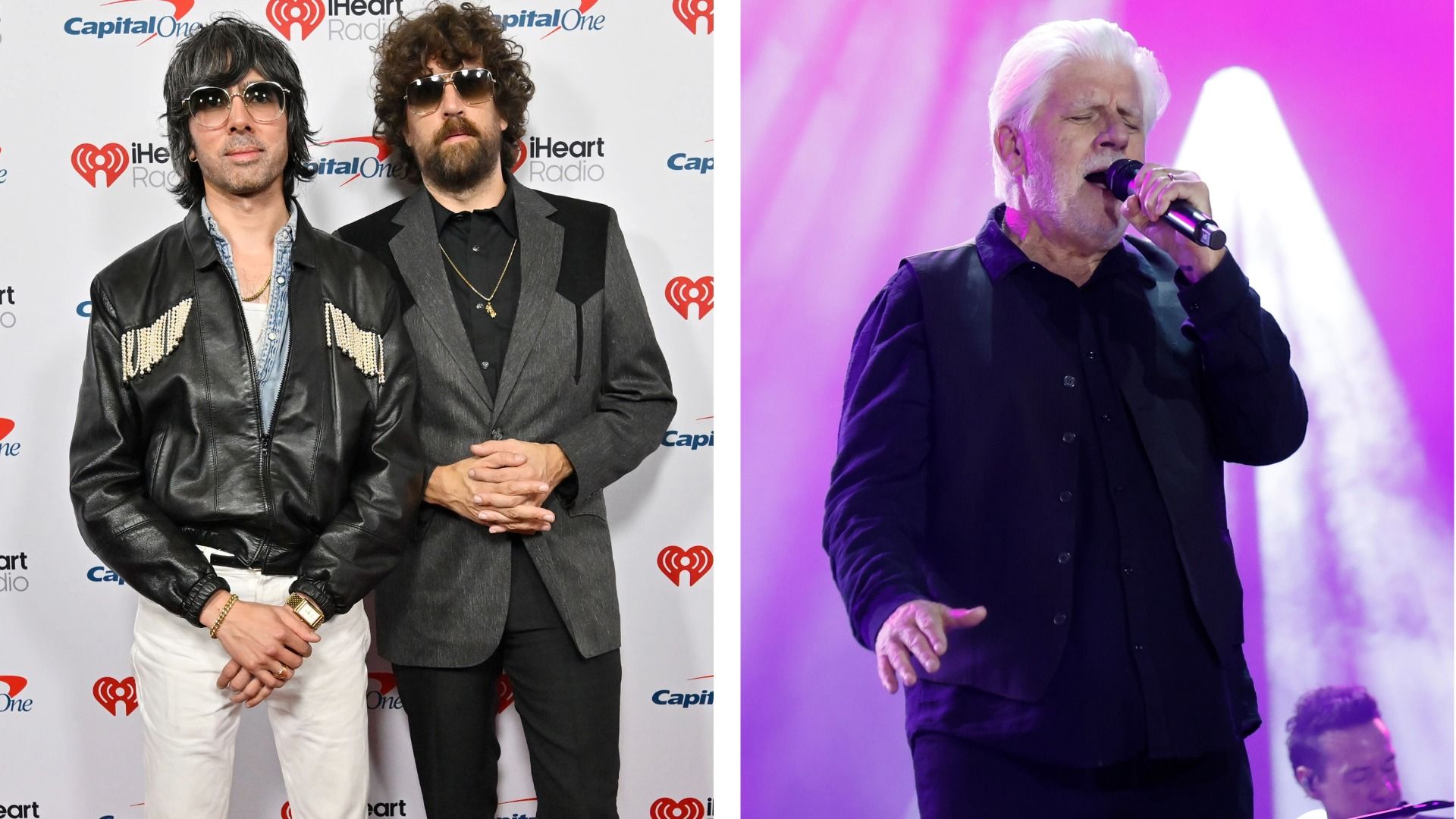 Blues, rock & metalJustice and Michael McDonald’s new GTA VI song sounds like a yacht rock ode to an ’80s Genesis bangerMusicRadar
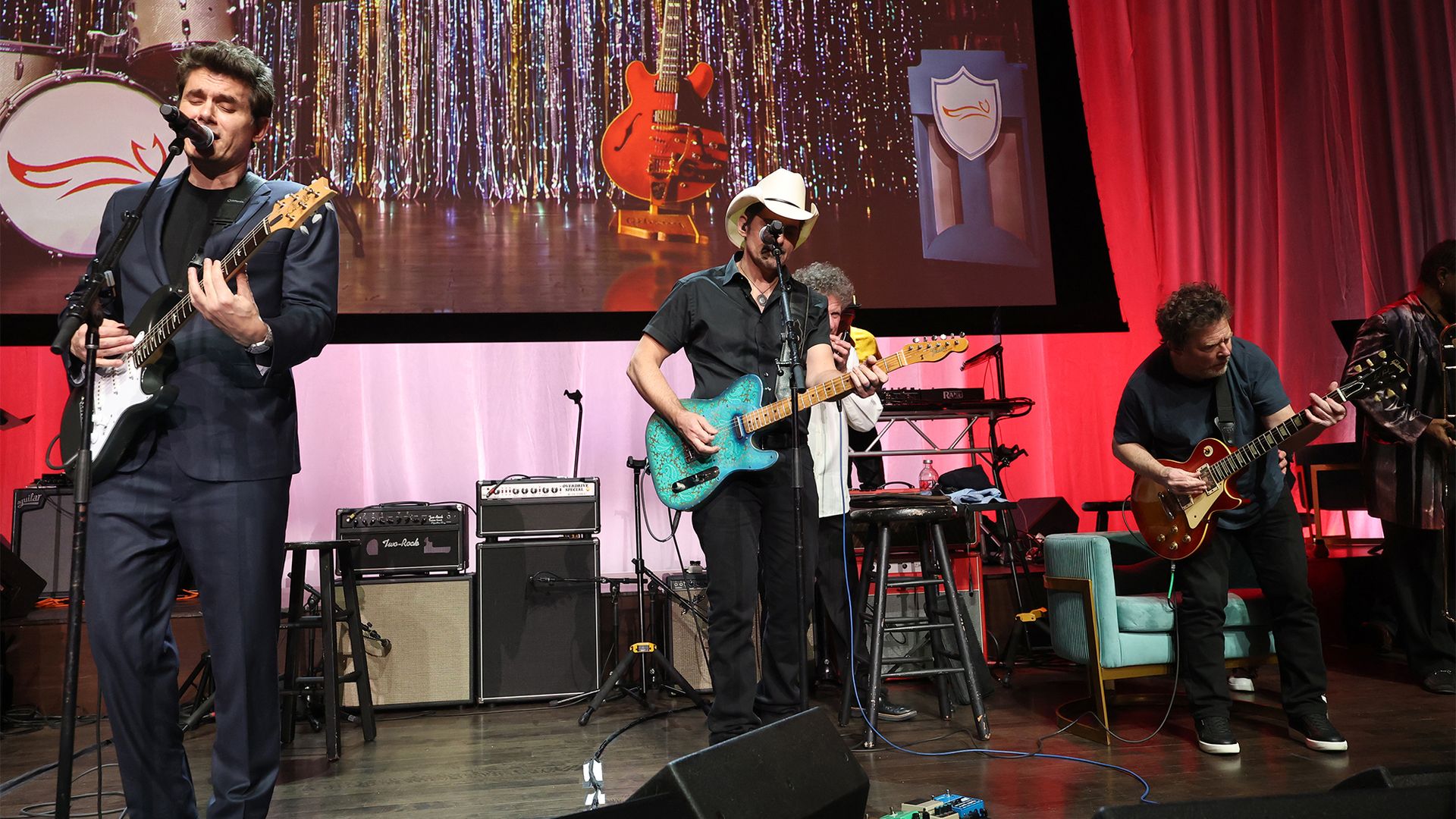 Blues, rock & metalMichael J. Fox, John Mayer and Brad Paisley recreate the iconic Back to the Future guitar sceneGuitar Player
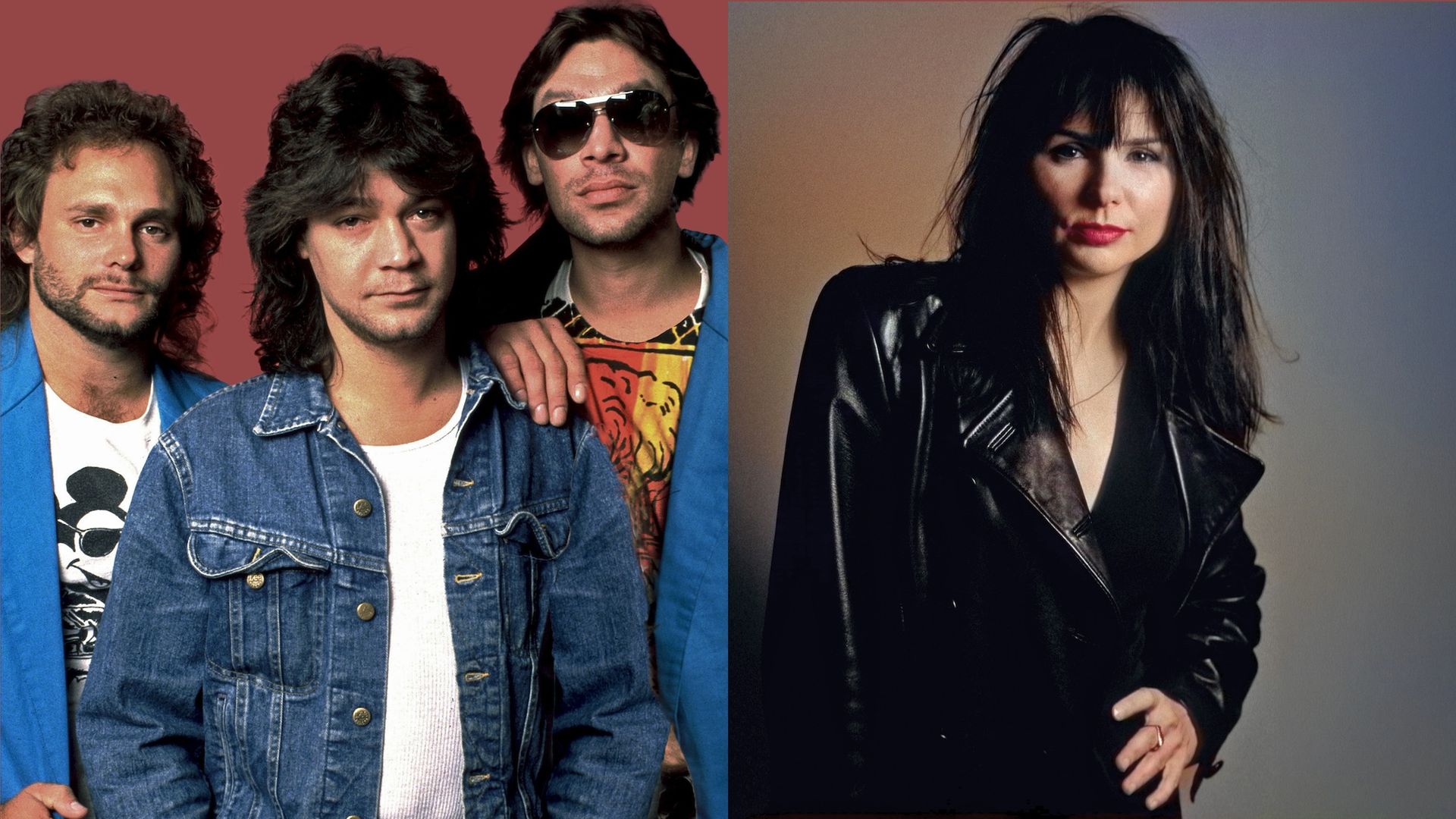 Blues, rock & metalVan Halen and Patty Smyth? Michael Anthony says it almost happened: “Ed was freaking out”The bassist confirms the Scandal frontwoman — and close friend of Valerie Bertinelli —was among those considered after David Lee Roth’s departureGuitar Player